Build a Smarter, More Comfortable Home Office
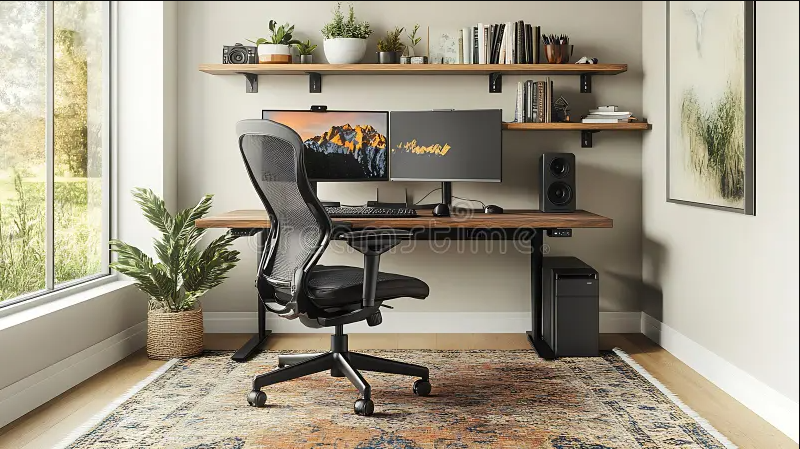
Workspace Comfort provides practical, research-informed guidance on ergonomic chairs, desk setup, standing desks, and accessories designed to reduce strain and improve long-term comfort.
If you spend hours at a desk, your workspace should support your body, not work against it. We focus on proportion-based recommendations and realistic setup strategies that make daily work more sustainable.
Start With Our Most Practical Guides
Best Ergonomic Chair for Lower Back Pain
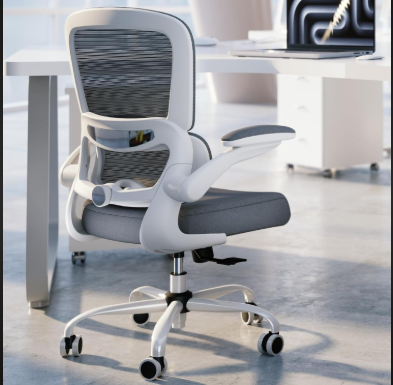
A detailed breakdown of lumbar support, seat depth, and recline features that reduce spinal strain during long work sessions.
Best Ergonomic Chair for Tall Person (6’2+)
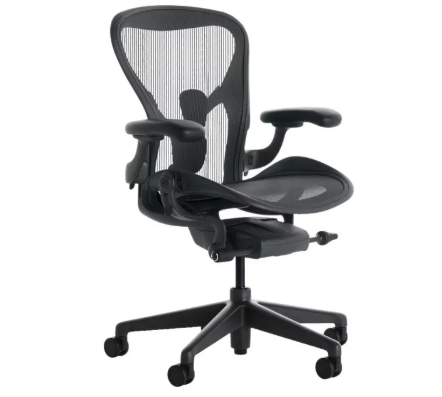
Seat depth, back height, and lumbar positioning matter more for taller builds. This guide compares chairs that fit proportionally.
How to Sit Properly for 8+ Hours Without Back Pain
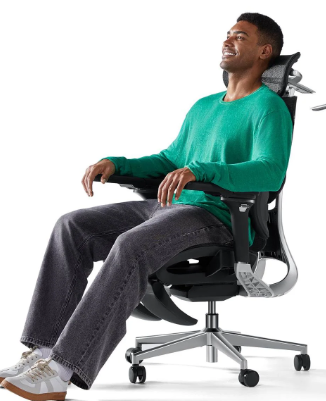
Posture alignment, chair adjustment, and daily movement habits that reduce cumulative fatigue.
Explore by Category
Ergonomic Chairs
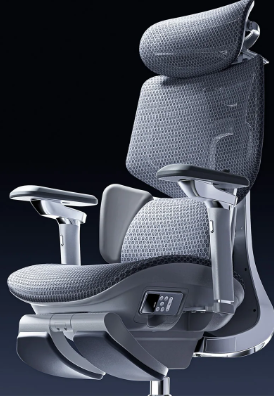
Supportive seating designed to improve lumbar alignment, posture stability, and long-term comfort.
Standing Desks & Converters
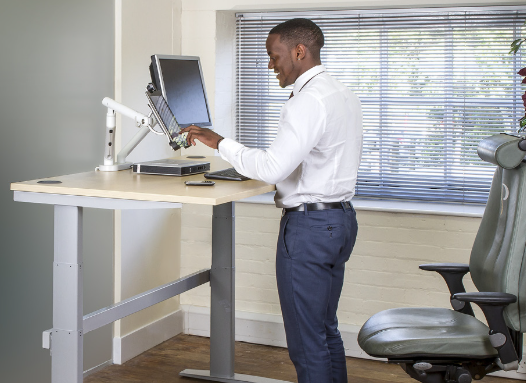
Height-adjustable desks and sit-stand strategies that encourage movement without sacrificing productivity.
Desk Setup & Positioning
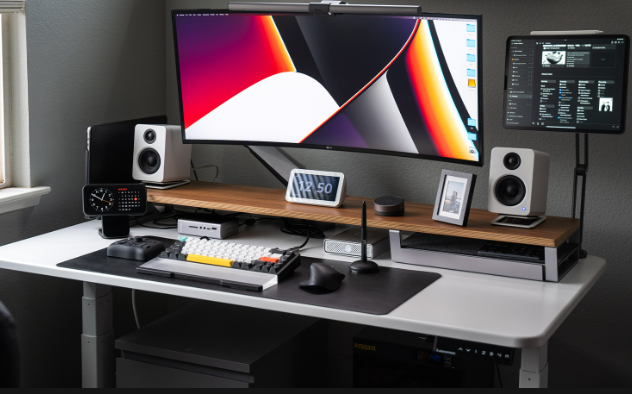
Monitor height, keyboard placement, and structural alignment tips for everyday comfort.
Ergonomic Accessories

Monitor arms, footrests, keyboards, and smaller upgrades that make measurable differences in daily comfort.
How We Evaluate Workspace Products
At Workspace Comfort, we evaluate products based on structural ergonomics and practical long-term use rather than marketing claims.
We focus on:
• Lumbar alignment and adjustability
• Seat depth and proportion fit
• Backrest support and recline mechanics
• Structural durability and stability
• Real-world comfort considerations
• User feedback trends over time
Our goal is not to list every product available. We prioritize clarity, proportion fit, and sustainable comfort
Why Workspace Design Matters
Small adjustments in your workspace can significantly affect:
• Lower back fatigue
• Neck and shoulder tension
• Posture consistency
• Focus and productivity
• Long-term spinal health
A comfortable workspace is not built in one purchase. It is built through informed decisions and incremental upgrades.
Not Sure Where to Start?
Paragraph:
If you sit most of the day, begin with your chair.
If you experience stiffness after long sessions, review posture and monitor height.
If your setup feels incomplete, explore ergonomic accessories that improve alignment and reduce strain.
Start with one improvement. Build from there.
Affiliate Disclosure
Workspace Comfort may earn commissions from qualifying purchases through affiliate links. This does not influence our evaluation process, and we aim to provide practical, independent guidance.